

SEA GLASS
When glass grows
Sea Glass is a bio-derived material developed from microalgae.
Grown through photosynthesis rather than mined from the earth, it reimagines glass production through regenerative systems.

Through photosynthesis, microalgae absorb 40% of global CO2 and produce nearly 60% of Earth’s oxygen.
Why reTHINK GLASS?
Silica, the primary component of glass, is traditionally derived from sand, one of the most consumed natural resources after water and a key material in glass and concrete production. Increasing demand and unsustainable extraction are making high-quality sand progressively scarcer. Sand mining damages riverbeds, coastlines, and marine ecosystems, contributes to erosion and flood risks, and is often associated with social and labor issues. As sand resources suitable for material production become rarer, the development of alternative material systems becomes urgent. What if silica could be cultivated instead of extracted?

How it works
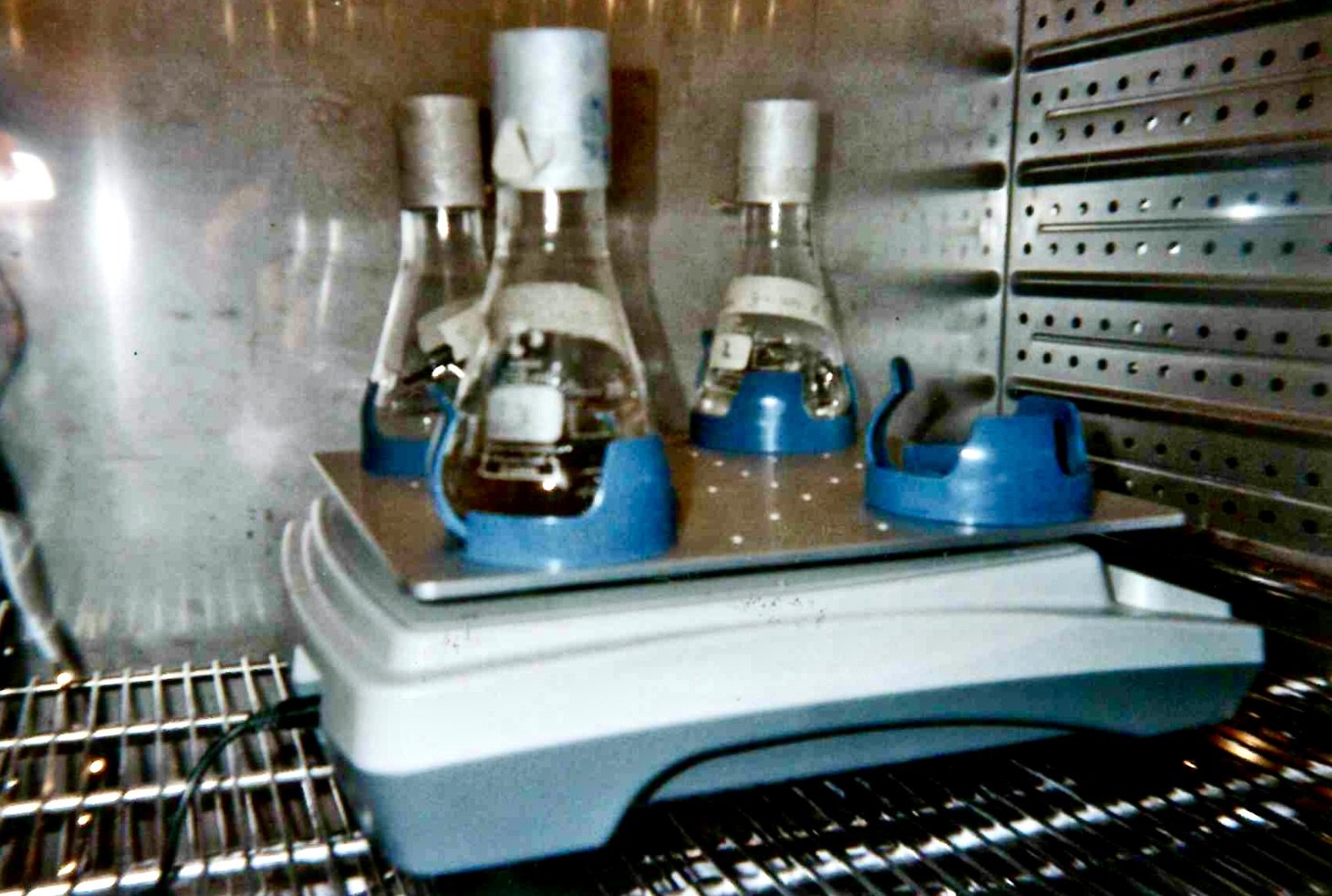
Cultivation
Microalgae produce silica while absorbing CO2 from the atmosphere through photosynthesis. If grown in wastewater, they can also absorb heavy metals and excess nutrients, offering potential pathways for pollution remediation.
Transformation
The harvested silica can be processed into glass, melting at temperatures up to 200°C lower than conventional glass, significantly reducing energy demand in production.

Performance
Sea Glass retains the essential properties of traditional glass while absorbing CO2 during it’s production and avoiding harmful sand extraction.

Sea Glass unfolds through a series of material explorations.